On this page
A pacifier budget has two parts: the small starting set and the later replacements for wear, damage or loss. Counting only the first package understates spending when the manufacturer’s replacement guidance calls for retiring used pacifiers regularly. Buying many before knowing which shape the baby accepts creates a different waste problem.
The example below uses a BIBS Colour two-pack priced on the manufacturer’s U.S. site in October 2026. Its replacement instructions apply to that manufacturer’s products. They should not be turned into a universal schedule for every brand, material or child, and the calculation does not predict how long a baby will use a pacifier.
Key figures
- $15.95 BIBS Colour latex pacifier two-pack
- $207.35 Example: yearly cost, replaced every four weeks
- $143.55 Example: yearly cost, replaced every six weeks
The first pair costs $15.95 before shipping
| Purchase or stated planning example | Two-packs | Pacifiers supplied | Cost at the named package price |
|---|---|---|---|
| Starting pair | 1 | 2 | $15.95 |
| Starting pair plus one additional pair | 2 | 4 | $31.90 |
| Two rotating pacifiers, 52 weeks at 4-week intervals | 13 | 26 over time | $207.35 |
| Two rotating pacifiers, 52 weeks at 6-week intervals | 9 | 18 over time | $143.55 |
| Extra purchases after the initial pair, 4-week example | 12 | 24 over time | $191.40 |
| Extra purchases after the initial pair, 6-week example | 8 | 16 over time | $127.60 |
Source note: BIBS U.S. Colour two-pack listing and FAQ checked October 2026. The annual scenarios assume two pacifiers enter use together, are replaced together and remain in use for 52 weeks. Whole-pack counts round up where needed; prices are held constant for illustration and exclude tax, delivery, losses and early damage.
- Starting pair$15.95
- Yearly purchases, four-week replacement$207.35
- Yearly purchases, six-week replacement$143.55
Source note: BIBS U.S. Colour two-pack listing and FAQ checked October 2026. The annual scenarios assume two pacifiers enter use together, are replaced together and remain in use for 52 weeks. Whole-pack counts round up where needed; prices are held constant for illustration and exclude tax, delivery, losses and early damage.
The six-week example needs a final pair at week 48 to cover the end of the planning period. The four-week example starts at week zero and replaces at weeks four through 48. Both totals include the starting pack; subtract it when the initial pair has already been counted elsewhere in the baby budget.
These are purchase projections, not instructions to keep a damaged pacifier until its scheduled date. A loss or an early sign of weakness adds a purchase and changes the total. Conversely, stopping pacifier use before the end of the period reduces the future purchases that will be needed.
Two in rotation and four in rotation are different inventories
A pair can provide one in use and one clean spare, if that arrangement works with the household’s cleaning routine. A separate caregiver location may require another pair, but establish who will clean, inspect and return the items before purchasing duplicates.
When four pacifiers all enter rotation together, they are not a year’s reserve. They age in use together, and replacing all four buys twice as many at each interval as the table’s two-pacifier example. The extra stock may reduce interruptions from misplacing one, but it does not make the manufacturer’s inspection guidance disappear.
An unopened spare is a different category from one that has been used regularly. Keep the distinction visible in the inventory. Avoid mixing used and new pacifiers in one container where nobody knows when each entered use or whether it has been cleaned.
The daycare bottle supply budget uses the same clean-reserve principle for feeding equipment. Ask the center about its pacifier policy and labeling arrangement separately; the bottle count does not determine how many pacifiers it accepts.
Wear can bring replacement forward
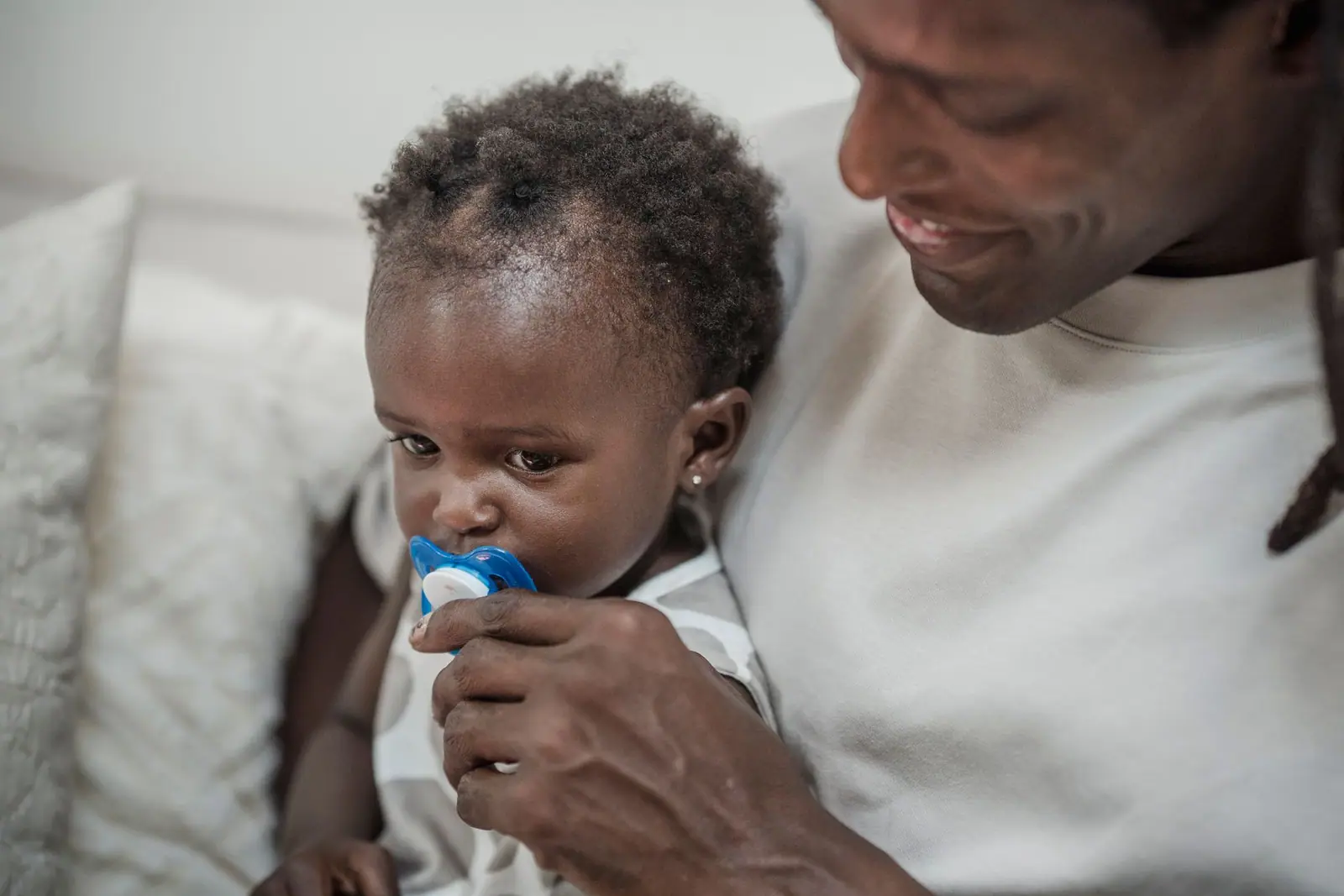
BIBS’s FAQ recommends replacement every four to six weeks and inspection before each use, including pulling the nipple in all directions. It identifies damage, weakness and changes in material as reasons to discard sooner. The budget should leave room for early retirement rather than treating the final day as a guaranteed service life.
Latex can change with use and exposure. An old pacifier that has expanded is not evidence that a newly purchased one should be stretched to match. Check the model and size before ordering a replacement, and follow the manufacturer’s guidance if the baby rejects the new item.
Cleaning instructions also differ by product. BIBS’s FAQ says its pacifiers should not be put in a dishwasher and discourages UV sterilizing its latex models. Do not copy a bottle-cleaning program onto a pacifier merely because both are feeding-related items.
Keep model, material and size information with the purchase record. That avoids a rushed order for a similar color in a different shape. A case or clip is an additional purchase with its own instructions; neither prevents wear in the nipple itself.
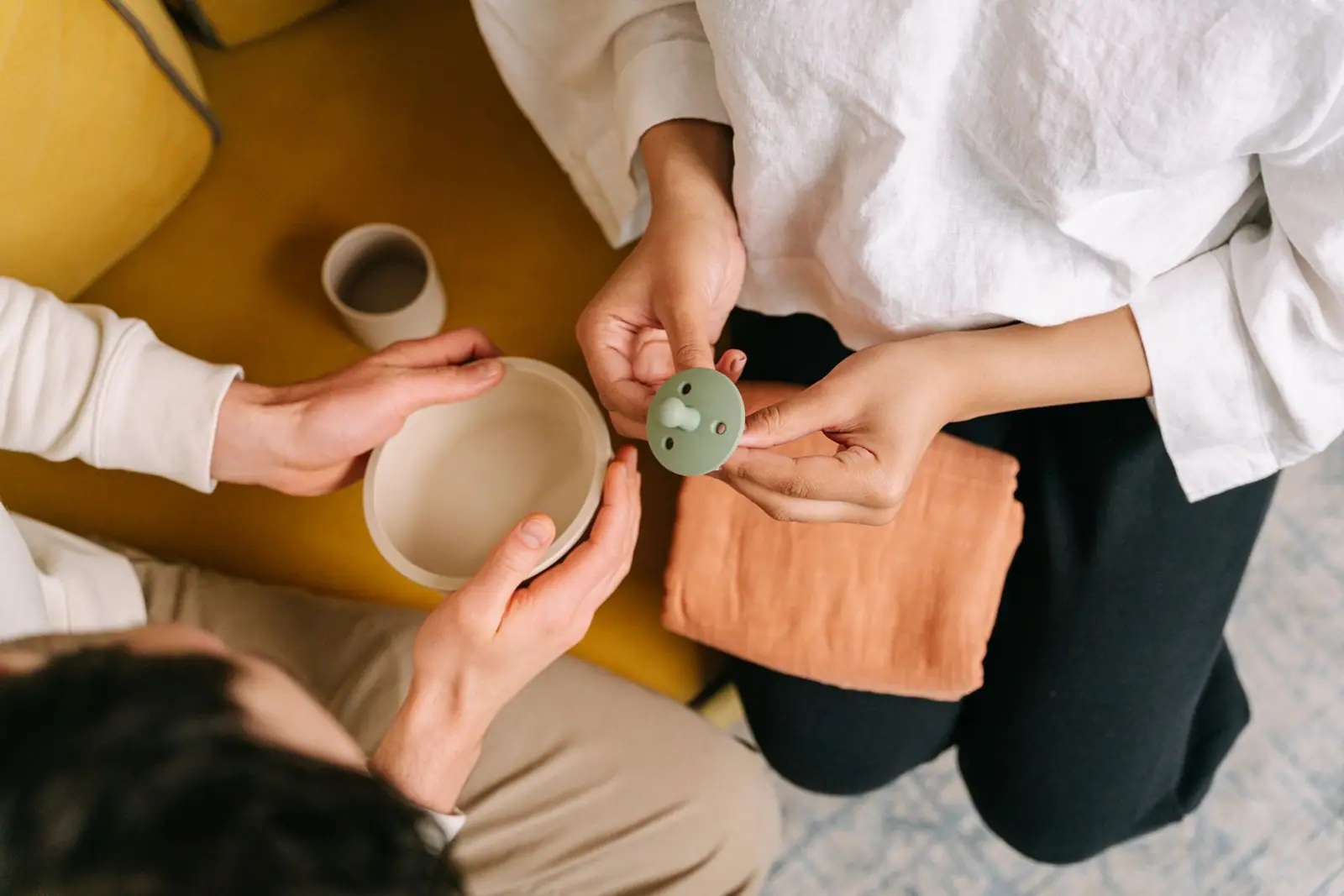
Size labels are a product guide rather than a growth deadline
BIBS lists Size 1 for zero to six months, Size 2 for six to eighteen months and Size 3 for eighteen months and older. These are the manufacturer’s labeled ranges. Do not assume another brand’s number follows the same range or buy many later-size packs before they are needed.
A size change can leave unused stock behind, while wear can require replacement before any age transition. Buy around both questions: the product that is being used now and the amount the household can use before the next change. The money saved by a bulk discount must exceed the value of stock that may never be opened.
For concerns about oral development, pacifier use or feeding, ask the child’s clinician or dentist. The equipment budget does not select a medical stopping age. AAP’s sleep guidance also says not to force a pacifier on a baby who does not want one, so repeated purchases are not justified merely to make the annual example happen.
Sleep use excludes cords and attachments
AAP says a pacifier may be offered at naps and bedtime; if it falls out after the baby sleeps, it need not be reinserted. For a breastfed baby, its guidance waits until breastfeeding is established. Those instructions do not make accessories attached to the pacifier suitable for sleep.
Do not hang a pacifier around a baby’s neck or attach it to clothing while sleeping. Keep cords, clips and similar attachments out of the sleep arrangement. Follow the safe sleep guide alongside the pacifier’s own use instructions.
A bedside supply budget should therefore separate the pacifier itself from travel accessories. An organizer may help an adult find clean items, but keep it outside the baby’s sleep space. A useful reserve is one the caregiver can identify and reach without putting extra objects into the crib.
The sleep and feeding budget can record the starting pair as an equipment purchase and later packs as replenishment. That distinction makes the recurring cost visible without presenting a large up-front stockpile as necessary.
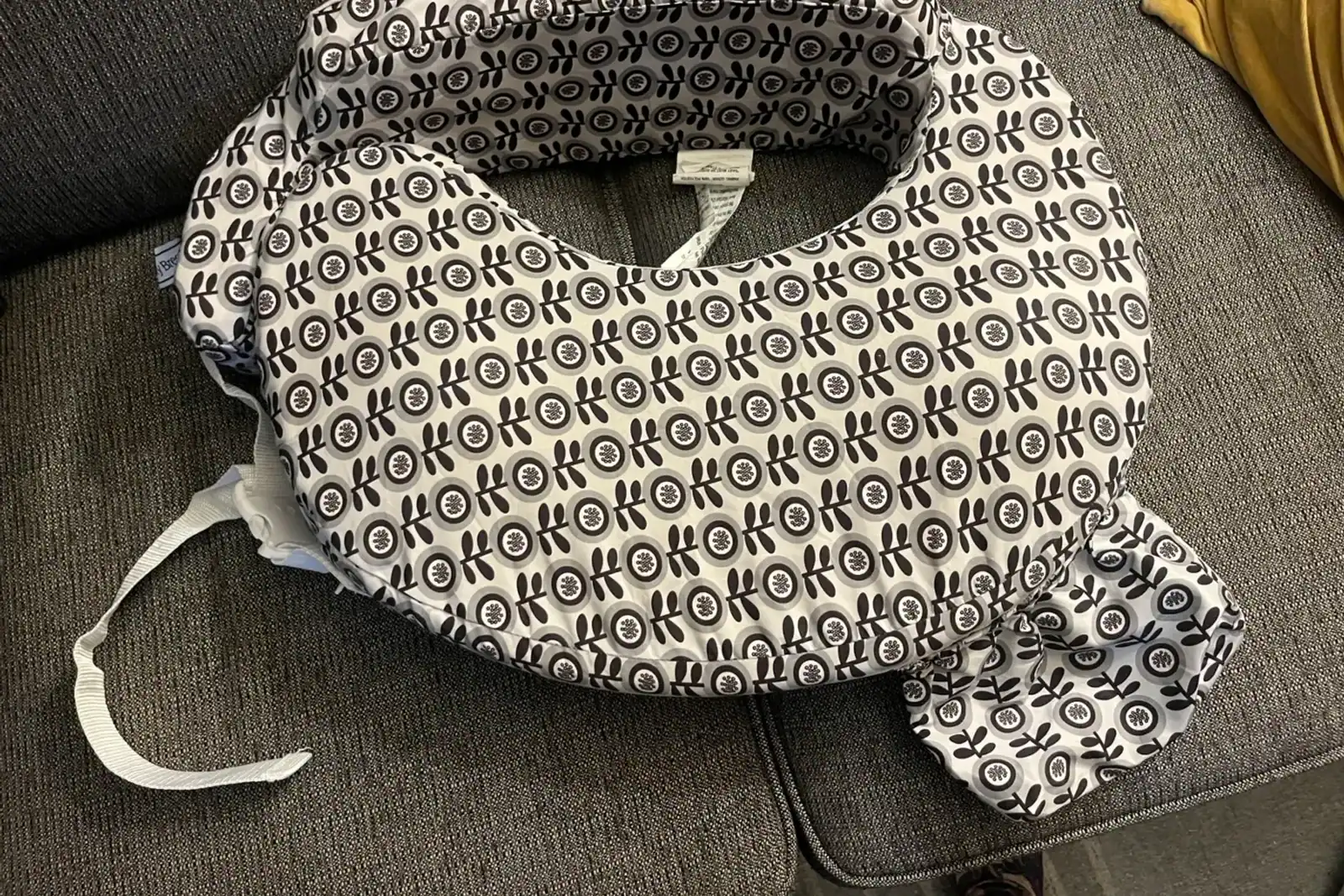
The nursing pillow cost guide covers a separate feeding support purchase and its limits; neither product replaces a safe sleep space.
Questions people ask
What is the starting cost in the named example?
One BIBS Colour two-pack is listed at $15.95 before tax and delivery. Its allocated unit price is about $7.98; that is not a separate single-item sale price.
Does the annual total include the first pair?
Yes. The 13-pack and nine-pack examples include the starting pair. If it is already in the initial budget, the additional totals are $191.40 and $127.60 respectively.
Can a worn pacifier stay in use until six weeks?
No. The maker says to inspect before use and discard at the first sign of damage or weakness. The scheduled interval is not a guaranteed minimum lifespan.
Should a fallen pacifier be reinserted during sleep?
AAP says it does not need to be put back after the baby falls asleep. Do not attach it to the baby's neck or clothing while sleeping.
Where these figures come from
- Colour Latex Two-Pack: U.S. Price and Options BIBS · us.bibsworld.com
- Pacifier Replacement, Inspection and Care FAQ BIBS · us.bibsworld.com
- Sleep Policy: Pacifier Use and Attachments American Academy of Pediatrics · healthychildren.org
Figures last checked October 2026.