On this page
A baby sleep and feeding budget has two separate bills: equipment that establishes the routine and supplies bought again as that routine continues. Combining them into a single starter-kit price hides recurring formula, replacement pump parts and storage expenses. It also makes optional appliances look as essential as a safe sleep space.
The examples below use published U.S. manufacturer prices checked in October 2026. They are a worksheet, not a national average or a prescription for a feeding method. Choose the feeding plan with the baby’s care team, then price its supplies. Insurance, gifts, existing equipment and temporary discounts can change the cash required before arrival.
Key figures
- $204.99 Example: IKEA crib and matching mattress
- $27.99 Lansinoh pack of four plastic bottles
- $445.96 Example: sleep setup, bottles, pump and cooler
A basic sleep setup has a clear equipment subtotal
IKEA lists the SNIGLAR crib at $129.99 and its illustrated matching mattress at $75, a combined $204.99. Its stated IKEA Family promotion reduces those figures to $99.99 and $60, or $159.99, for eligible purchases through October 12, 2026. The difference is $45. Availability, membership and the checkout date matter; a future buyer cannot budget around an expired discount.
That subtotal excludes a fitted sheet, tax and delivery. It also does not price every other crib or every compatible mattress. Check the crib’s dimensions, instructions and mattress fit before substituting something cheaper. A mattress left over from another sleep product is not automatically interchangeable.
AAP recommends a firm, flat infant sleep surface meeting federal standards, a tightly fitting mattress and a fitted sheet without loose bedding or soft objects. Room sharing on a separate sleep surface is recommended for at least the first 6 months. The safe sleep rules explain the arrangement. Extra pillows, nests and positioners do not belong in this equipment subtotal.
Feeding scenarios add different purchases to the same sleep budget
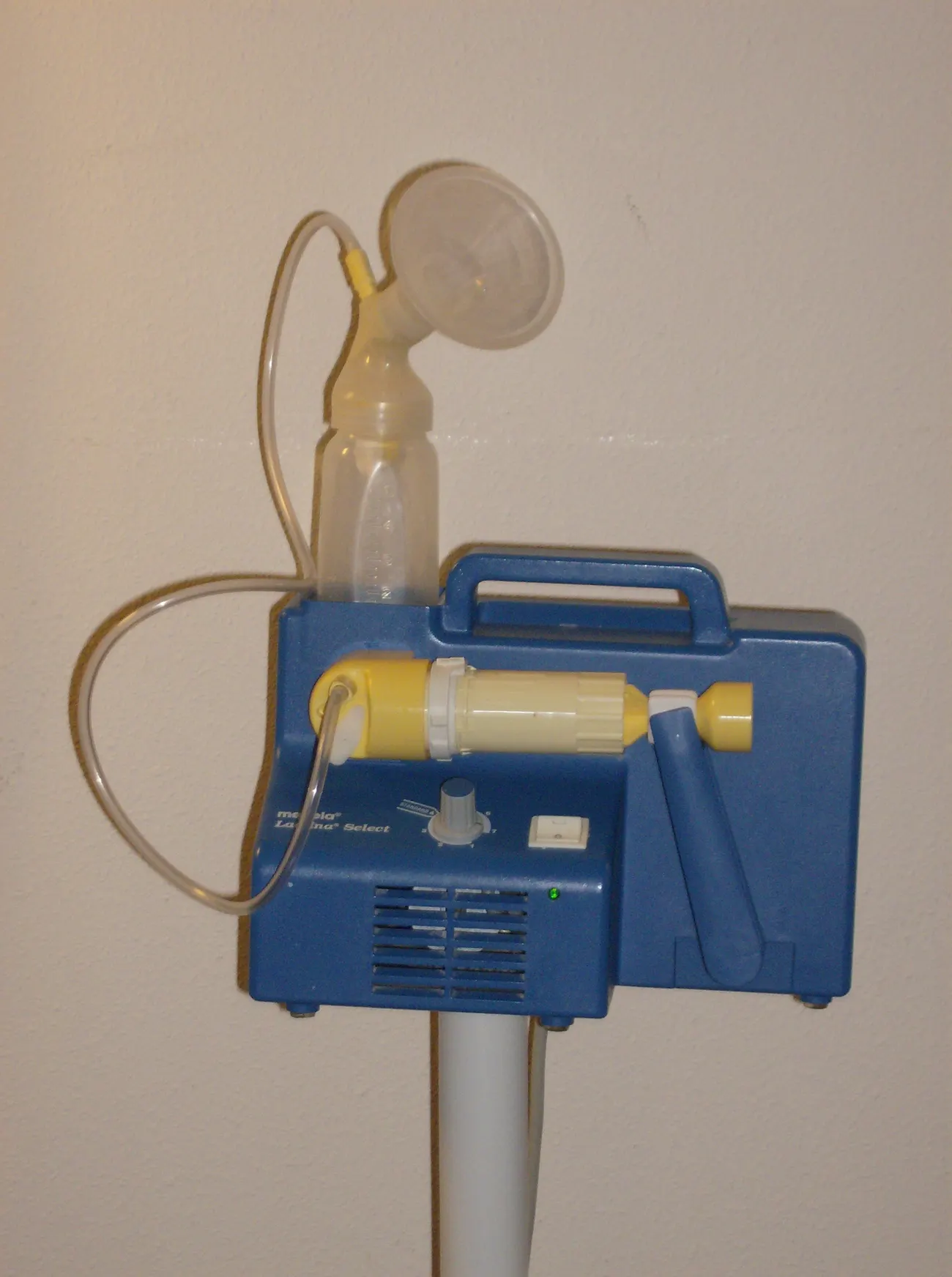
The following table starts with the regular $204.99 sleep subtotal so the temporary discount does not obscure the comparison. It uses the selected Lansinoh purple medium-flow four-pack at $27.99, a Spectra S2 at $177.99 and Spectra’s $34.99 cooler kit. The cooler includes an ice pack and two 160-milliliter bottles; its listed contents do not include nipples.
| Illustrated purchase combination | Arithmetic | Equipment subtotal |
|---|---|---|
| Crib and matching mattress | $129.99 + $75 | $204.99 |
| Sleep setup and selected four-bottle pack | $204.99 + $27.99 | $232.98 |
| Sleep setup, bottle pack and S2 pump | $232.98 + $177.99 | $410.97 |
| Previous combination plus cooler kit | $410.97 + $34.99 | $445.96 |
| Last combination with the eligible sleep discount | $159.99 + $27.99 + $177.99 + $34.99 | $400.96 |
Source note: IKEA, Lansinoh and Spectra product listings; arithmetic by this guide. These are named purchase combinations, not recommendations that every household requires every item. Prices exclude sheets, food, additional compatible parts, cleaning supplies, tax and delivery.
- Crib and matching mattress$204.99
- Sleep setup and four bottles$232.98
- Sleep setup, bottles and S2 pump$410.97
- Sleep setup, bottles, pump and cooler$445.96
Source note: IKEA, Lansinoh and Spectra product listings; arithmetic by this guide. These are named purchase combinations, not recommendations that every household requires every item. Prices exclude sheets, food, additional compatible parts, cleaning supplies, tax and delivery.
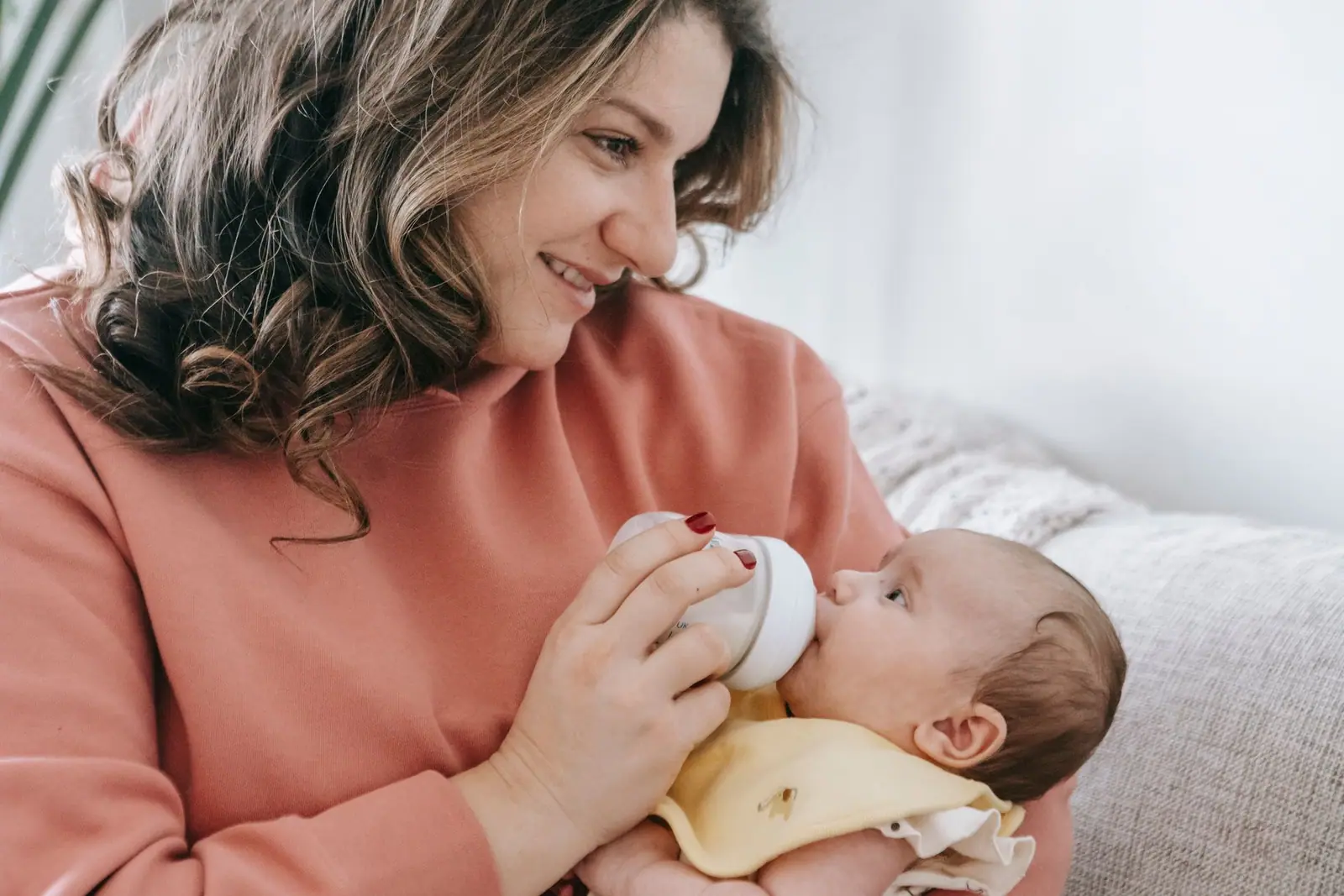
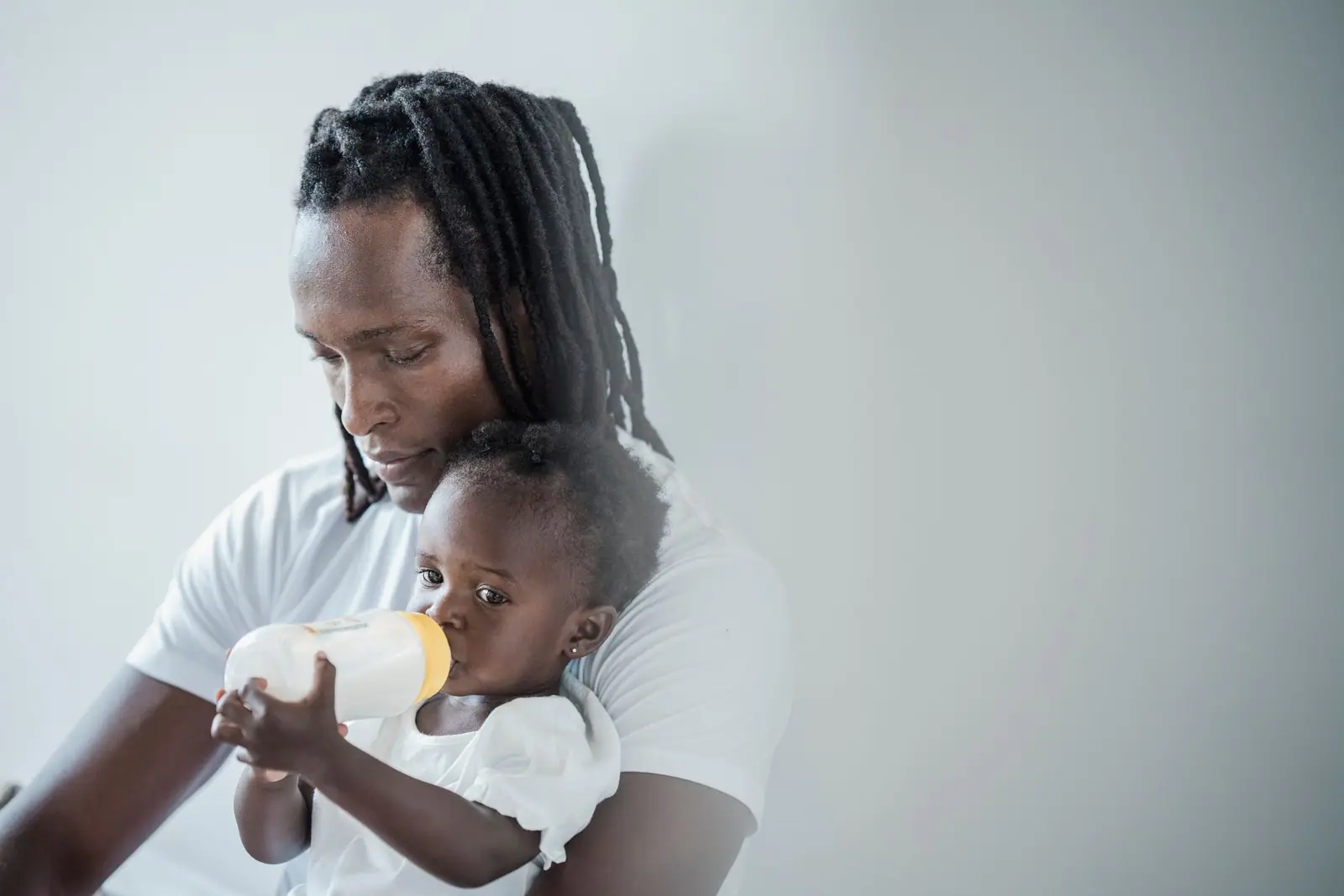
Four bottles describes the purchased inventory, not four feeds or an intake target. A household expressing milk might use the pump’s included collection bottles differently from the selected feeding bottles. Counting both sets does not prove every part fits every other part. Record contents and compatibility beside the prices to prevent duplicate purchases disguised as preparation.
Coverage and rental terms change the pump’s cash cost
HealthCare.gov says most health insurance plans, apart from grandfathered plans, cover breastfeeding support and equipment. Coverage can involve a rental or purchase and the plan’s rules for the type, timing and supplier. Confirm those terms before treating $177.99 as an unavoidable out-of-pocket cost. A covered pump does not mean every accessory or upgraded model is free.
A temporary rental has a different bill. My Breast Pump Rental lists a Medela Symphony one-month rental at $139 plus a $52 personal accessory kit, or $191 for those two purchases. Its three-month prepaid rental is $289 before the kit. These figures do not establish clinical equivalence between a Symphony and a personal Spectra pump, nor do they include every possible charge.
The pump rental or purchase comparison separates rental plans and personal equipment. Keep the kit, renewal date and return obligations in the worksheet. A prepaid term is money committed at checkout, even if dividing it by months produces an attractive monthly figure. A secondhand personal pump should not be substituted for equipment designed for multiple users.
Formula packages create a recurring bill beyond the equipment
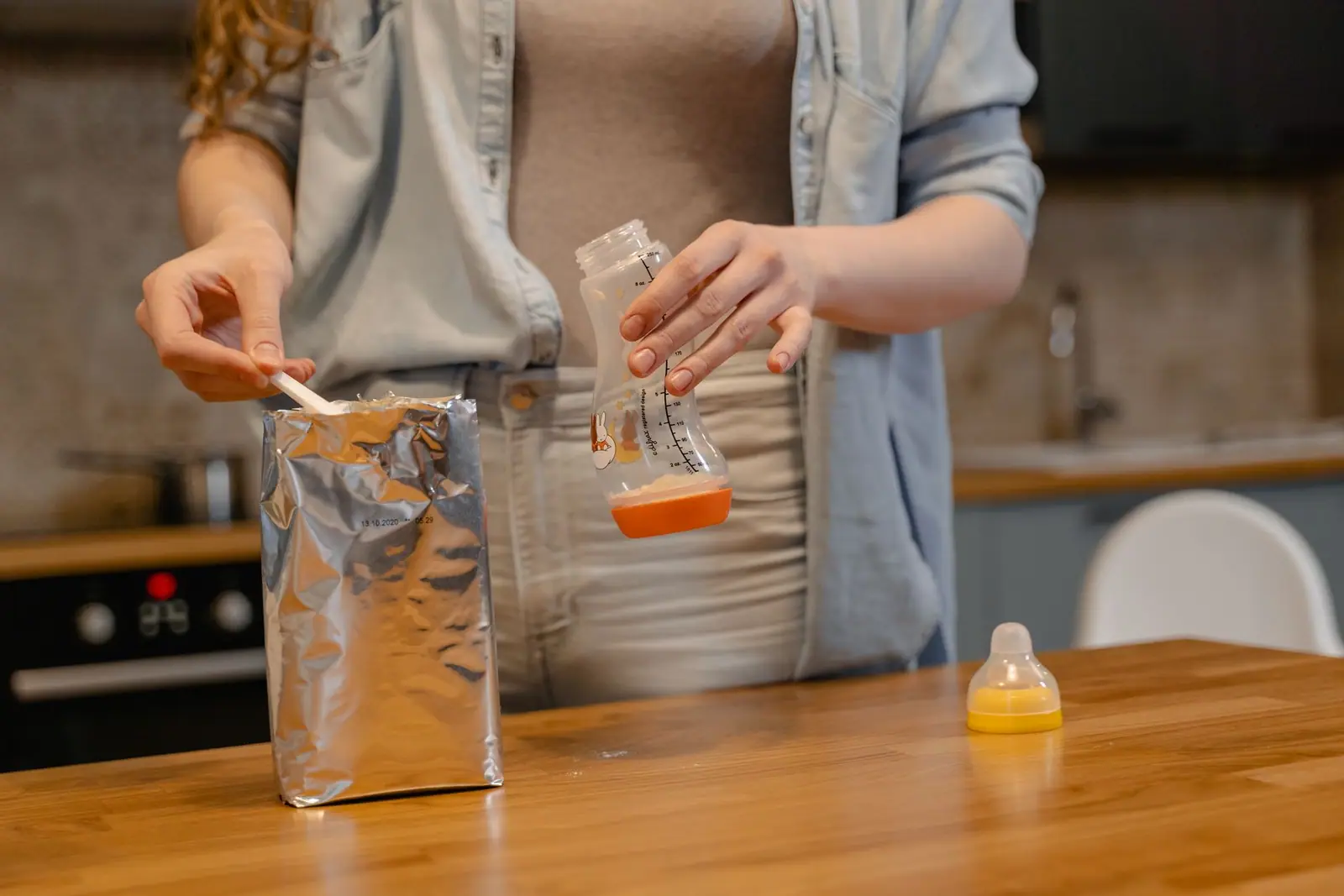
Enfamil’s 20.7-ounce NeuroPro powder tub lists at $42.99; the manufacturer’s product information gives a prepared yield of 148 fluid ounces. That works out to about $0.290 per prepared fluid ounce before discarded portions. Its 32-fluid-ounce ready-to-use bottle lists at $13.49, or about $0.422 per fluid ounce. The direct ready-to-use listing was out of stock when checked, so the posted price does not promise availability.
To illustrate purchasing, a hypothetical requirement for 1,000 prepared fluid ounces would require 7 powder tubs at $300.93, yielding 1,036 fluid ounces, or 32 ready-to-use bottles at $431.68, containing 1,024 fluid ounces. This is a comparison volume, not a recommended monthly intake. Surplus inventory is not automatically waste, and the baby’s feeding requirements cannot be inferred from the example.
The powder and ready-to-feed comparison covers package rounding and preparation differences. Never dilute formula to reduce spending. Powder is not sterile; FDA identifies sterile liquid options as safer than powder for higher-risk infants. Medical requirements take priority over the lower calculated unit price.
Cleaning, storage and replacement parts remain in the budget
A pumping or bottle-feeding budget should identify access to washing, drying and any required sanitizing, rather than adding an appliance without pricing its job. CDC distinguishes cleaning from sanitizing. A separate sanitizer is generally unnecessary when dishwasher-safe feeding items undergo a hot-water dishwasher cycle with heated drying or a sanitizing setting. Follow the item manufacturer’s permitted methods.
Storage also has limits. CDC permits freshly expressed milk up to 4 hours at room temperature of 77°F or colder and up to 4 days in the refrigerator. An insulated cooler with frozen ice packs can transport milk for up to 24 hours. Those limits do not describe formula, previously warmed milk or every childcare provider’s acceptance rules. A $34.99 cooler does not remove the need to manage time and temperature.
Replacement parts belong on a separate recurring line because a spare set and a worn-part replacement solve different problems. Record the pump model, the parts already included and the maker’s replacement instructions. The bottle sterilizer cost guide helps evaluate an optional appliance after establishing the cleaning process.
The $445.96 illustrated equipment subtotal excludes formula, food, extra pump parts and supplies bought again. It also excludes optional warmers and automatic formula machines. Keep those decisions separate so a discount on equipment does not hide a continuing expense.
Later purchases follow a new job in the routine
Use three worksheet columns: cash due before arrival, expenses bought repeatedly and purchases deferred until their job is clear. Enter a confirmed gift or insurance-covered item as a reduction in the cash column only after confirming what will arrive. Keep its accessories visible if they remain the household’s expense.
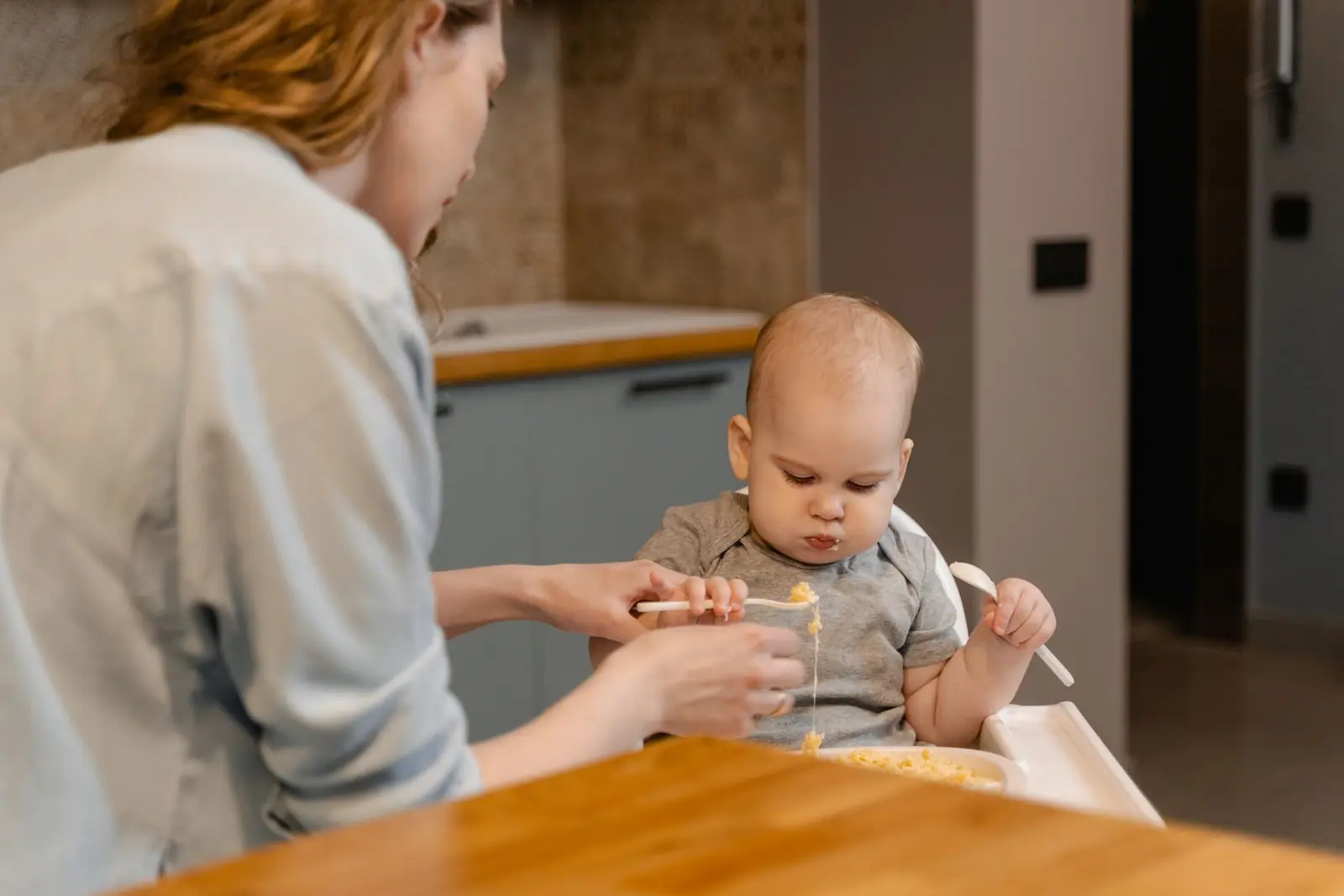
When solid foods begin, a high chair, utensils and food containers may add costs, but a dedicated food maker is not inherent in choosing homemade food. Check existing kitchen equipment and safe food handling before buying another machine. The photograph above illustrates spoon-feeding at a later stage; it does not move that stage forward to justify a purchase.
Review the worksheet when childcare starts or feeding changes. Update the quantity bought and the replacement dates from observed use. A remaining unopened package carries value into the next period; a discarded portion does not. This simple distinction makes the recurring budget more accurate than multiplying a promotional daily cost by every day of the year.
Questions people ask
What is the minimum baby sleep and feeding budget?
There is no single minimum across feeding plans and existing supplies. The named crib and mattress total $204.99 at regular prices, before sheets, tax and delivery. Feeding purchases depend on the plan and coverage.
Is the $445.96 subtotal a full first-year cost?
No. It is the illustrated crib, mattress, four-bottle pack, S2 pump and cooler purchase. It excludes recurring formula and supplies, optional equipment, sheets and other charges.
Does insurance cover every breast pump accessory?
Coverage rules vary by plan. Confirm the pump, supplier, timing and accessory terms before buying. The general equipment coverage rule does not promise free upgrades or every replacement part.
Can formula cost be reduced by adding extra water?
No. Prepare formula using the label's ratio. Compare package prices only after establishing the feeding plan; the hypothetical 1,000-fluid-ounce calculation is not an intake recommendation.
Where these figures come from
- SNIGLAR Crib, Matching Mattress and Family Offer IKEA U.S. · ikea.com
- Baby Bottles 8oz: Pack Variants Lansinoh · lansinoh.com
- S2 Plus Electric Breast Pump Spectra Baby USA · spectrababyusa.com
- Pink Cooler Kit with Ice Pack and Bottles Spectra Baby USA · spectrababyusa.com
- Breastfeeding Benefits HealthCare.gov · healthcare.gov
- Symphony Rental Plans and Accessory Kit My Breast Pump Rental · mybreastpumprental.com
- NeuroPro Powder Pricing Enfamil · enfamil.com
- NeuroPro Product Yield Mead Johnson Nutrition · hcp.meadjohnson.com
- NeuroPro Ready-to-Use 32 fl oz Enfamil · enfamil.com
- Handling Infant Formula Safely FDA · fda.gov
- Breast Milk Storage Guidelines CDC · cdc.gov
- Cleaning and Sanitizing Feeding Items CDC · cdc.gov
- How to Keep Your Sleeping Baby Safe American Academy of Pediatrics · healthychildren.org
Figures last checked October 2026.