On this page
Feeding advice for babies has changed more than most parents realise, and the allergy part changed direction entirely. If your information comes from a book published before 2017, one section of it is now the opposite of current guidance.
Key figures
- 4 to 6 months Peanut introduction window for highest-risk infants
- more than 80 percent Peanut allergy reduction in high-risk LEAP infants
When to start
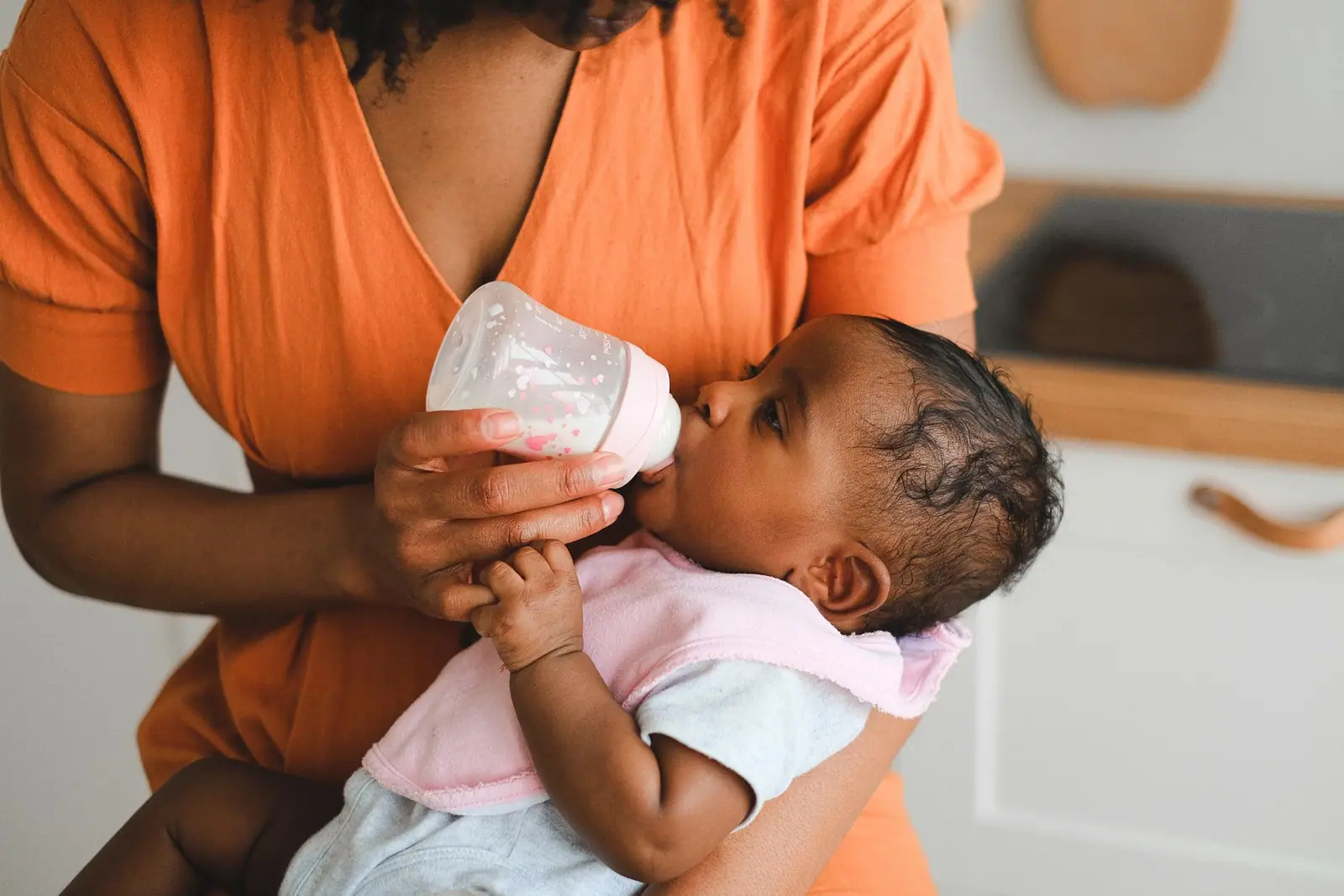
The American Academy of Pediatrics recommends breast milk alone for about the first six months, then introducing foods while feeding continues.
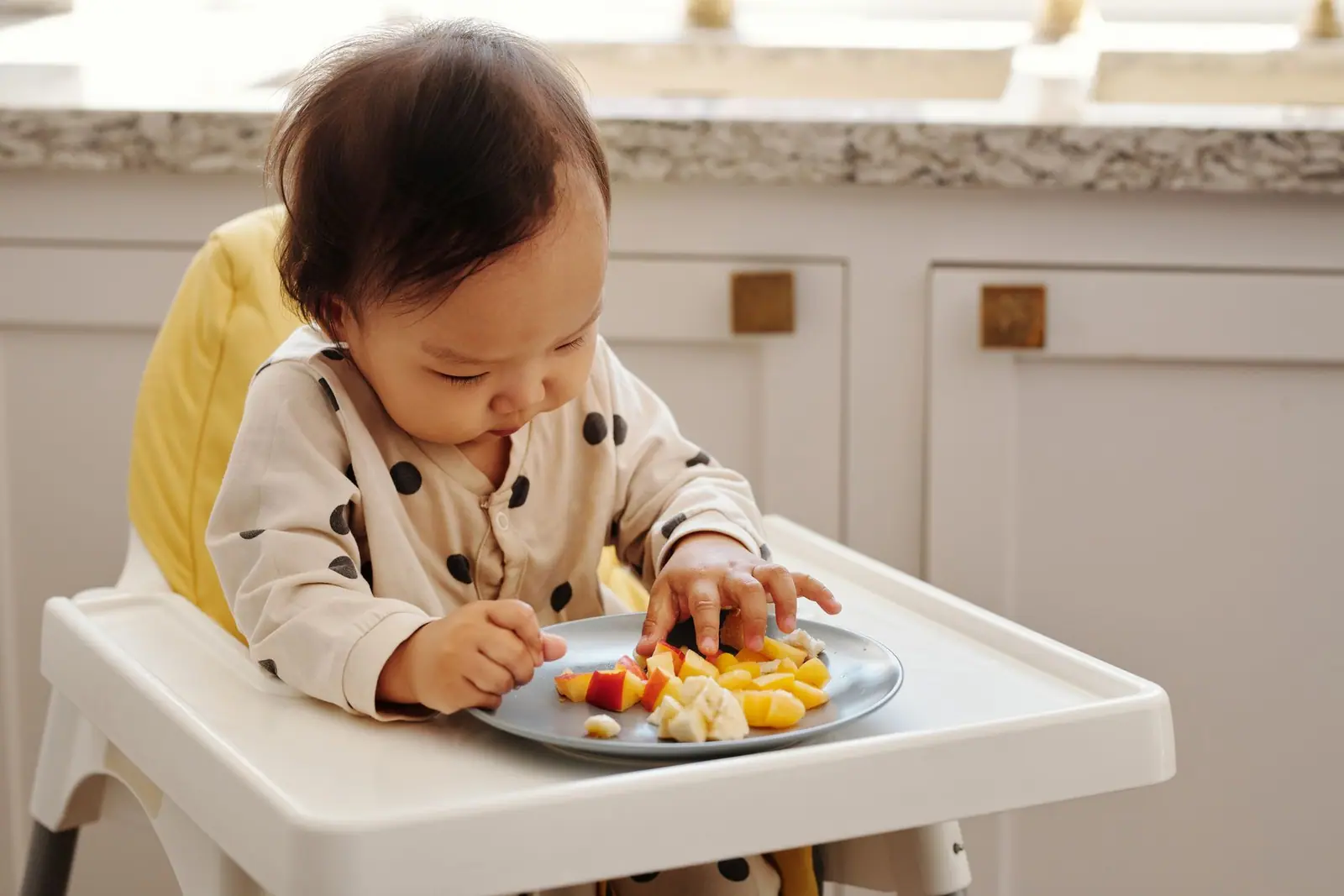
Readiness is judged by the baby:
- Good head control, and able to sit up in a high chair or feeding seat.
- Interest: watching you eat, reaching for food, opening their mouth.
- The tongue-thrust reflex fading. If a spoonful of cereal comes straight back out onto the chin, they cannot yet move food to the back of the mouth to swallow it.
There is no benefit to starting earlier, and cereal in a bottle is not a shortcut to sleeping through the night.
The allergy advice that reversed
For years parents were told to delay peanut, egg and other allergens. Trial evidence overturned that. The LEAP trial, published in 2015, found that introducing peanut-containing food between 4 and 11 months reduced the development of peanut allergy by more than 80 percent in high-risk infants.
The National Institute of Allergy and Infectious Diseases published addendum guidelines in 2017. Its recommendation for the highest-risk group is direct: infants with severe eczema, egg allergy, or both should have age-appropriate peanut-containing food introduced as early as 4 to 6 months to reduce the risk of peanut allergy.
For that same high-risk group, the NIAID panel recommends strongly considering evaluation with peanut-specific IgE testing, skin prick testing, or both, before introduction, to determine whether and how peanut should be introduced. Start with your pediatrician, not with a jar of peanut butter.
How to introduce foods in practice
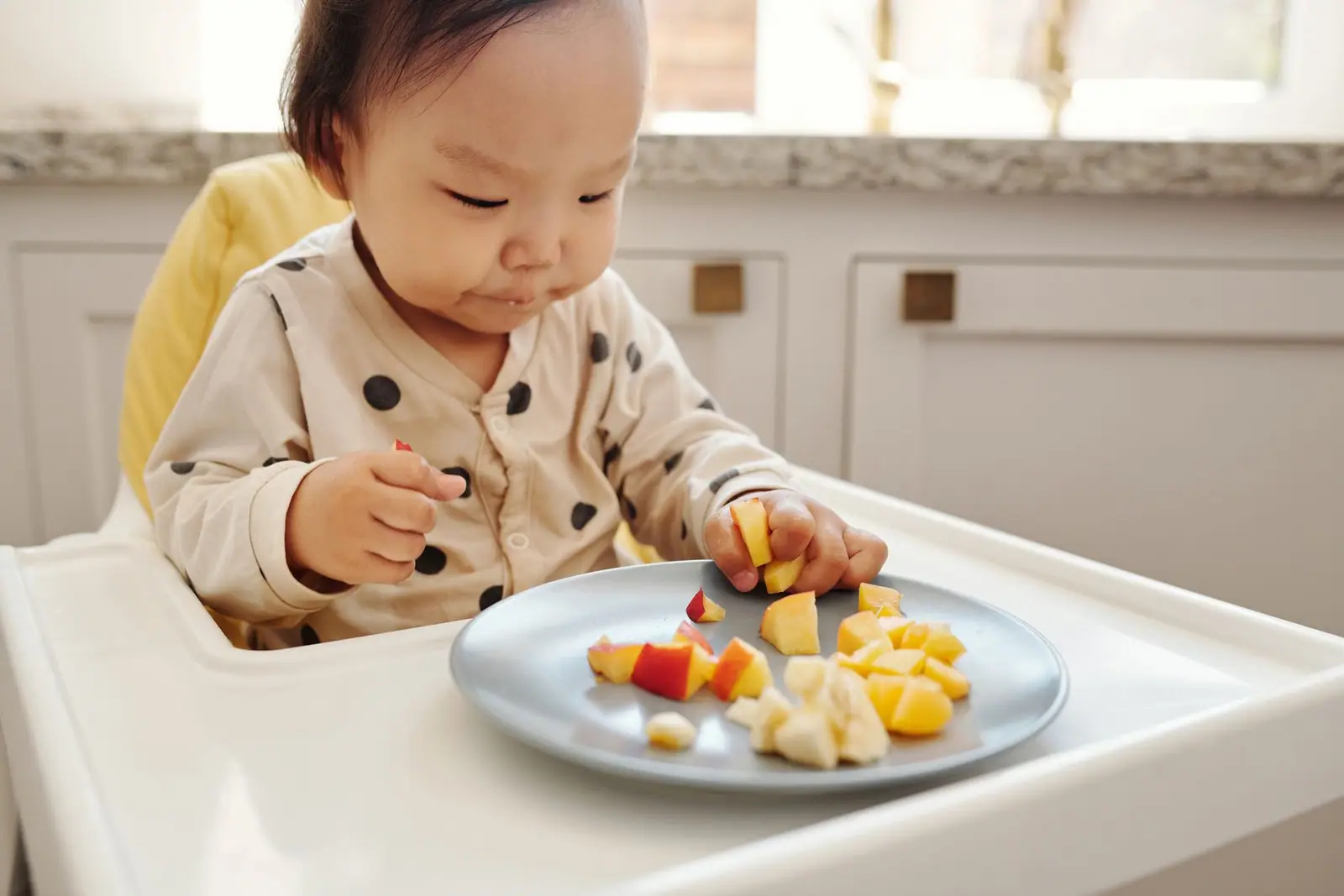
- One new food at a time, with a couple of days before the next, so a reaction can be attributed.
- Allergens count as foods, not as a separate scary category. Peanut, egg, dairy, wheat, soy, fish, shellfish, tree nuts and sesame are all introduced deliberately rather than avoided.
- Texture matters for safety. Never whole nuts, whole grapes, popcorn or chunks of hard raw vegetable. Smooth peanut butter is thinned; peanut puffs are dissolvable.
- Iron-rich foods early. Iron stores fall from around six months, which is part of why solids start then.
- Introduce at home, earlier in the day, when you can watch for a few hours.
What a reaction looks like
Hives, swelling around the mouth or eyes, vomiting, or a change in breathing or behaviour soon after eating. Difficulty breathing, swelling of the face or tongue, or a limp or unresponsive baby is an emergency: call emergency services rather than driving.
Discuss any family history of food allergy with your pediatrician before you start, and follow their plan rather than a general article, including this one.
The homemade-versus-jarred baby food comparison covers purchases and preparation once the feeding plan is established. The drinks before age one guide addresses drinks separately from solid foods.
Questions people ask
When should babies start solid foods?
The AAP recommends breast milk alone for about the first six months, then solids alongside continued feeding, once the baby shows readiness signs.
When should I introduce peanut?
NIAID guidelines recommend age-appropriate peanut foods at 4 to 6 months for infants with severe eczema, egg allergy or both, after evaluation is considered. For other infants the advice is not to delay unnecessarily. Ask your pediatrician about your baby.
Is baby-led weaning safe?
It can be, with attention to textures and sizes that are not choking hazards, and with the baby sitting upright and supervised. Discuss it with your pediatrician if your baby was premature or has feeding difficulties.
Does starting solids help a baby sleep through the night?
There is no good evidence for the common claim, and cereal in a bottle is a choking and overfeeding risk rather than a sleep strategy.
Where these figures come from
- When Can Babies Start Solid Foods? American Academy of Pediatrics, HealthyChildren.org · healthychildren.org
- Addendum guidelines for the prevention of peanut allergy in the United States: report of the NIAID-sponsored expert panel Journal of Allergy and Clinical Immunology · pmc.ncbi.nlm.nih.gov
- When, What, and How to Introduce Solid Foods Centers for Disease Control and Prevention · cdc.gov
Figures last checked September 2026.