On this page
Cribs are one of the few pieces of baby equipment where a single date divides safe from unsafe. If you are offered a crib that predates it, the answer is no, whatever condition it is in.
What changed in 2011
The Consumer Product Safety Commission approved new federal crib safety standards that took effect on 28 June 2011. From that date, cribs manufactured, sold or leased in the United States must comply.
The changes:
- Traditional drop-side cribs are out. They cannot meet the standard and cannot be sold. The CPSC connected detaching drop-side rails to at least 32 infant suffocation and strangulation deaths since 2000.
- Stronger slats and mattress supports.
- Better hardware, the part that failed in most drop-side incidents.
- More rigorous testing before a crib can enter the market.
Child care facilities and places of public accommodation such as hotels had until 28 December 2012 to make sure the cribs they use comply.
When was it made? The date is on a label on the crib itself. Anything from before June 2011, or with no label at all, is not worth the risk, and a drop side is an immediate no.

What goes in the crib
Nothing. The mattress, a tight fitted sheet, and the baby.
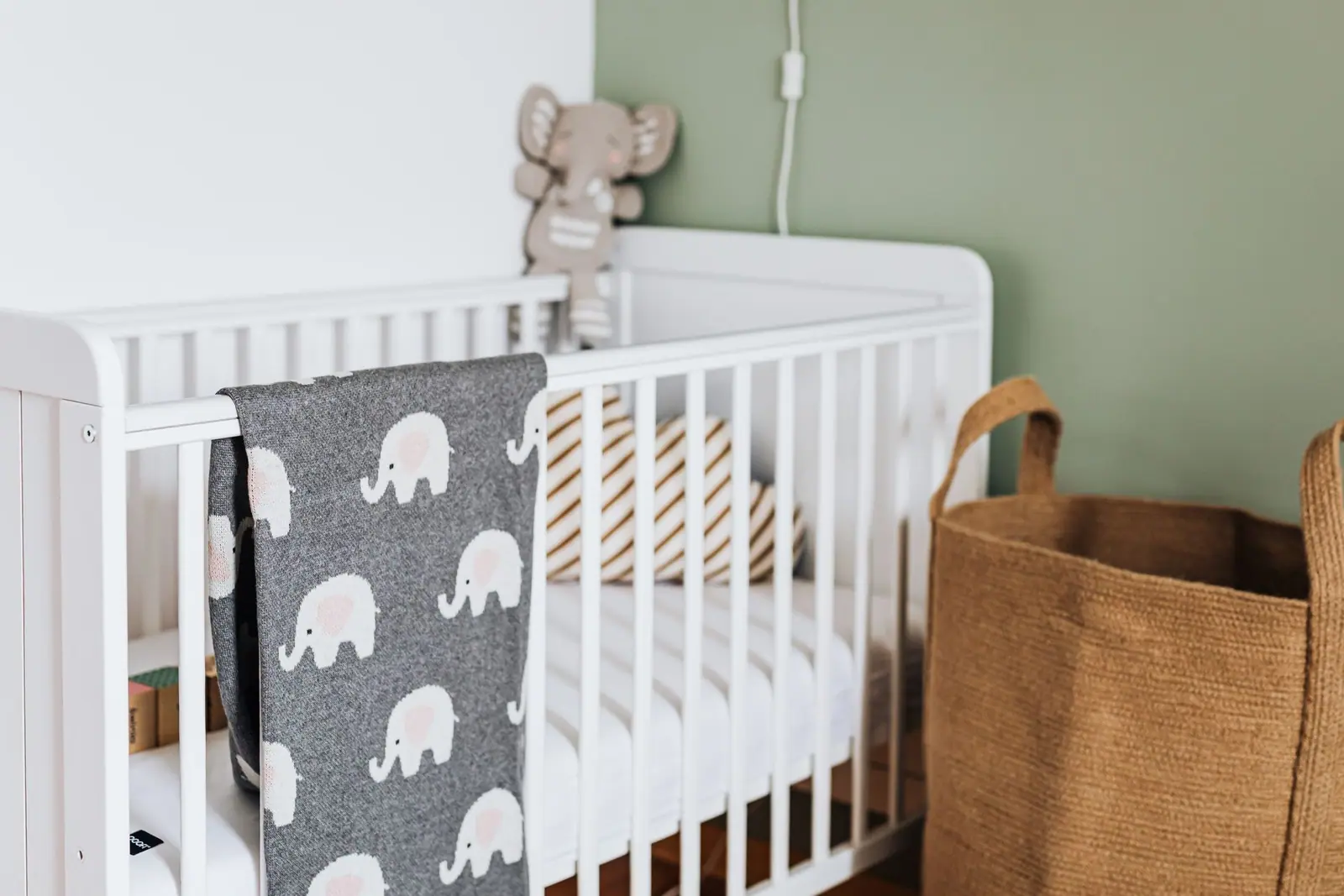
The American Academy of Pediatrics is explicit that soft objects and loose bedding stay out: pillows and pillow-like toys, quilts, comforters, mattress toppers, non-fitted sheets, blankets, toys and bumper pads. Padded crib bumpers are now banned from sale outright.
Checking the crib you have
- Find the label with the manufacturer, model and date of manufacture.
- Check for recalls by model number before assembling it.
- Shake it. Nothing should rattle, wobble or feel loose. Retighten hardware every few months, since cribs get leaned on.
- Check the mattress fit. No more than two fingers of gap between mattress and crib side.
- Check slat spacing on an older crib: nothing should be wide enough to pass a soda can through.
- Never substitute hardware from a hardware shop. Get the manufacturer’s parts or do not use the crib.
Bassinets and play yards are covered too
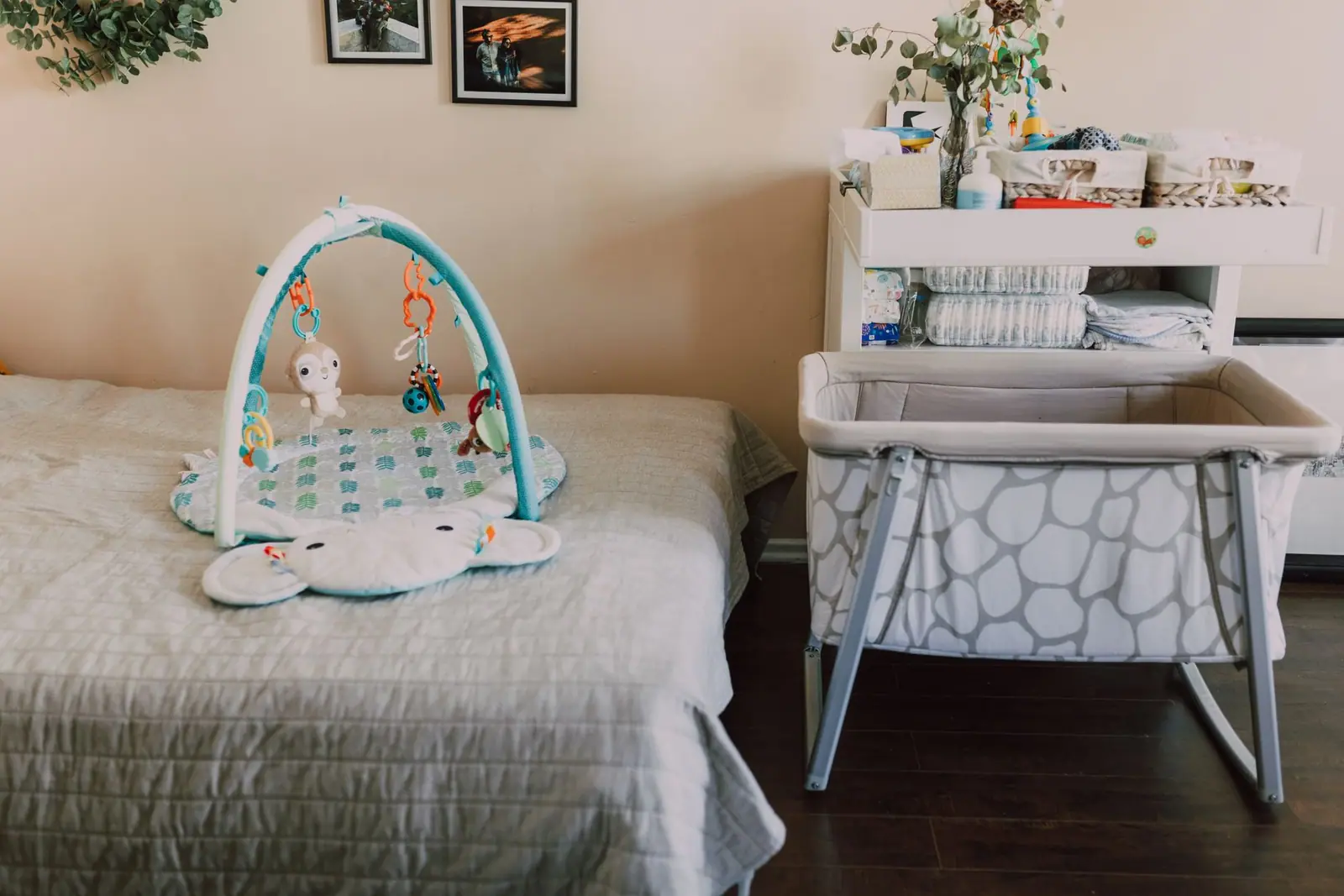
They have their own federal standards, and the AAP says a crib, bassinet, portable crib or play yard that meets current CPSC safety standards is the right place for a baby to sleep. The comparison between them is its own article.
For the sleep-space decision, compare a bassinet with a crib and assess crib mattress replacement costs. The product and mattress should be evaluated together before treating a used setup as a saving.
Questions people ask
Are old cribs safe to use?
Cribs made before the June 2011 federal standards do not meet current requirements, and drop-side cribs in particular were linked to deaths. Check the date label before accepting one.
What is wrong with drop-side cribs?
The moving side can detach from the frame, leaving a gap an infant can become trapped in. The CPSC linked the design to at least 32 deaths since 2000, and it cannot be sold now.
Can I use a crib bumper if it is mesh?
The federal ban covers padded bumpers, vinyl bumper guards and vertical slat covers, and does not include non-padded mesh liners. The AAP advice is still that nothing but a fitted sheet belongs in the crib.
How tight should the crib mattress be?
Snug. If you can fit more than two fingers between the mattress and the crib side, the mattress is the wrong size for that crib.
Where these figures come from
- CPSC Approves Strong New Crib Safety Standards US Consumer Product Safety Commission · cpsc.gov
- How to Keep Your Sleeping Baby Safe: AAP Policy Explained American Academy of Pediatrics, HealthyChildren.org · healthychildren.org
Figures last checked September 2026.