On this page
Car seat advice gets passed around as ages, which is how children end up moved forward too early. The milestones that matter are printed on the side of the seat you own.
Key figures
- 22 and 35 pounds Rear-facing-only seats: common upper weight limits
- 40 or 50 pounds Convertible seats: common rear-facing weight limits
The four stages
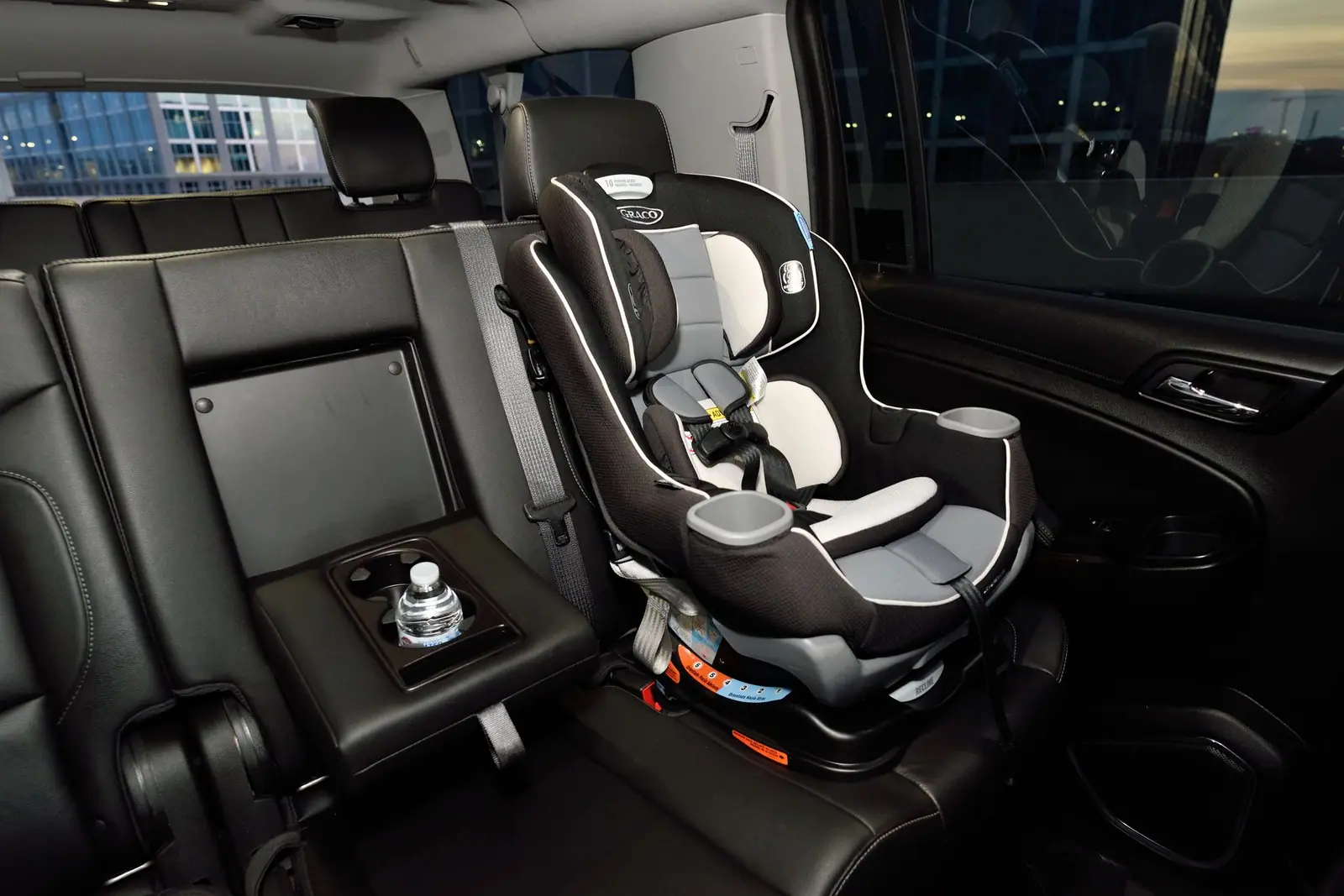
1. Rear-facing. The American Academy of Pediatrics says all infants and toddlers should ride in a rear-facing seat as long as possible, until they reach the highest weight or height allowed by the manufacturer.
Rear-facing-only seats generally top out somewhere between 22 and 35 pounds and 26 and 35 inches depending on the model.
Convertible seats commonly allow rear-facing to 40 or 50 pounds, which is why the AAP notes that most children can stay rear-facing for two years or more.
2. Forward-facing with a harness. Only once the rear-facing limits are reached. Then stay in it, with the top tether attached, until the harness limits are reached.
3. Booster. The booster’s only job is to position the adult belt correctly across the strong parts of the body. Most children need one well into primary school years.
4. Adult seat belt. When it fits: lap belt low and snug across the upper thighs rather than the stomach, shoulder belt across the middle of the shoulder and chest rather than the neck or face.
Move up only when the child outgrows the limits of the current stage, never because of an age or because they look big. Each step up is a step down in protection, so later is better.
The installation mistakes that matter most
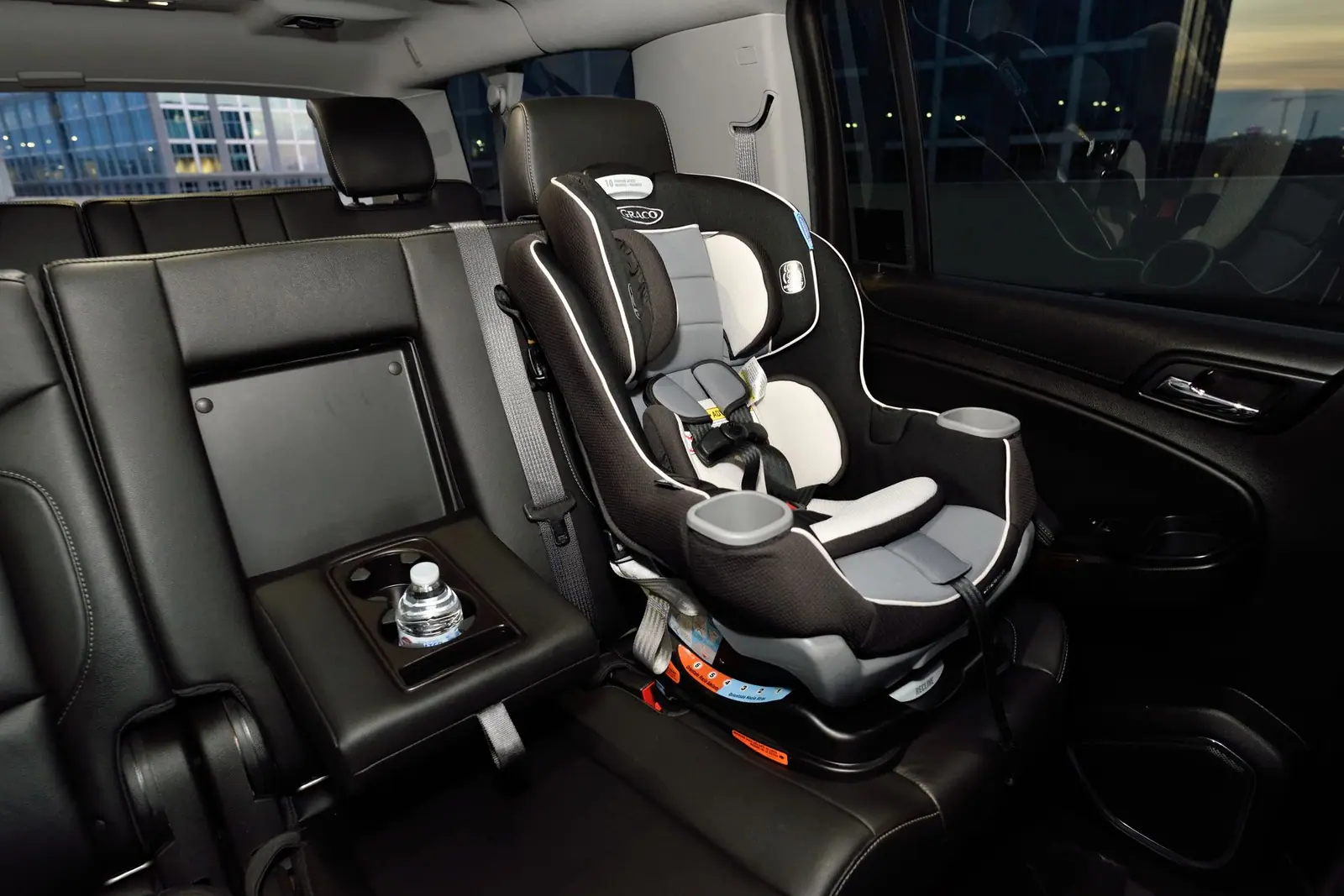
- A loose installation. Test at the belt path, not at the top of the seat.
- A loose harness. You should not be able to pinch a horizontal fold of webbing at the shoulder.
- The chest clip in the wrong place. It belongs at armpit level, not on the belly.
- Bulky coats. They compress in a crash and leave the harness loose. Harness first, then a blanket or coat over the top.
- No top tether when forward-facing. It substantially reduces how far the head moves forward.
Get it checked, free
Certified child passenger safety technicians will inspect your installation and show you how to do it yourself. Many fire stations, hospitals and health departments host free checks. It takes half an hour and removes the doubt.
If considering secondhand equipment, read what to check on a used car seat before paying. The stroller travel-system comparison separates the stroller purchase from choosing the right restraint.
Questions people ask
When can my child face forward?
When they reach the highest weight or height their rear-facing seat allows. The AAP recommends staying rear-facing as long as possible, which for most convertible seats is two years or more.
Are their legs bent uncomfortably when rear-facing?
Children sit comfortably cross-legged or with their feet up on the seat back. Leg injuries in rear-facing children are rare, and being rear-facing protects the head and neck far better.
When can a child stop using a booster?
When the adult belt fits properly: lap belt on the upper thighs, shoulder belt across the middle of the shoulder and chest, with the child able to sit like that for the whole journey.
Can a child ride in the front seat?
The back seat is safer, and the AAP advice is to keep children there through at least age 12 because of front airbags.
Where these figures come from
- Car Seats: Information for Families American Academy of Pediatrics, HealthyChildren.org · healthychildren.org
- Rear-Facing Car Seats for Infants and Toddlers American Academy of Pediatrics, HealthyChildren.org · healthychildren.org
- Where We Stand: Car Seats for Children American Academy of Pediatrics, HealthyChildren.org · healthychildren.org
Figures last checked September 2026.